

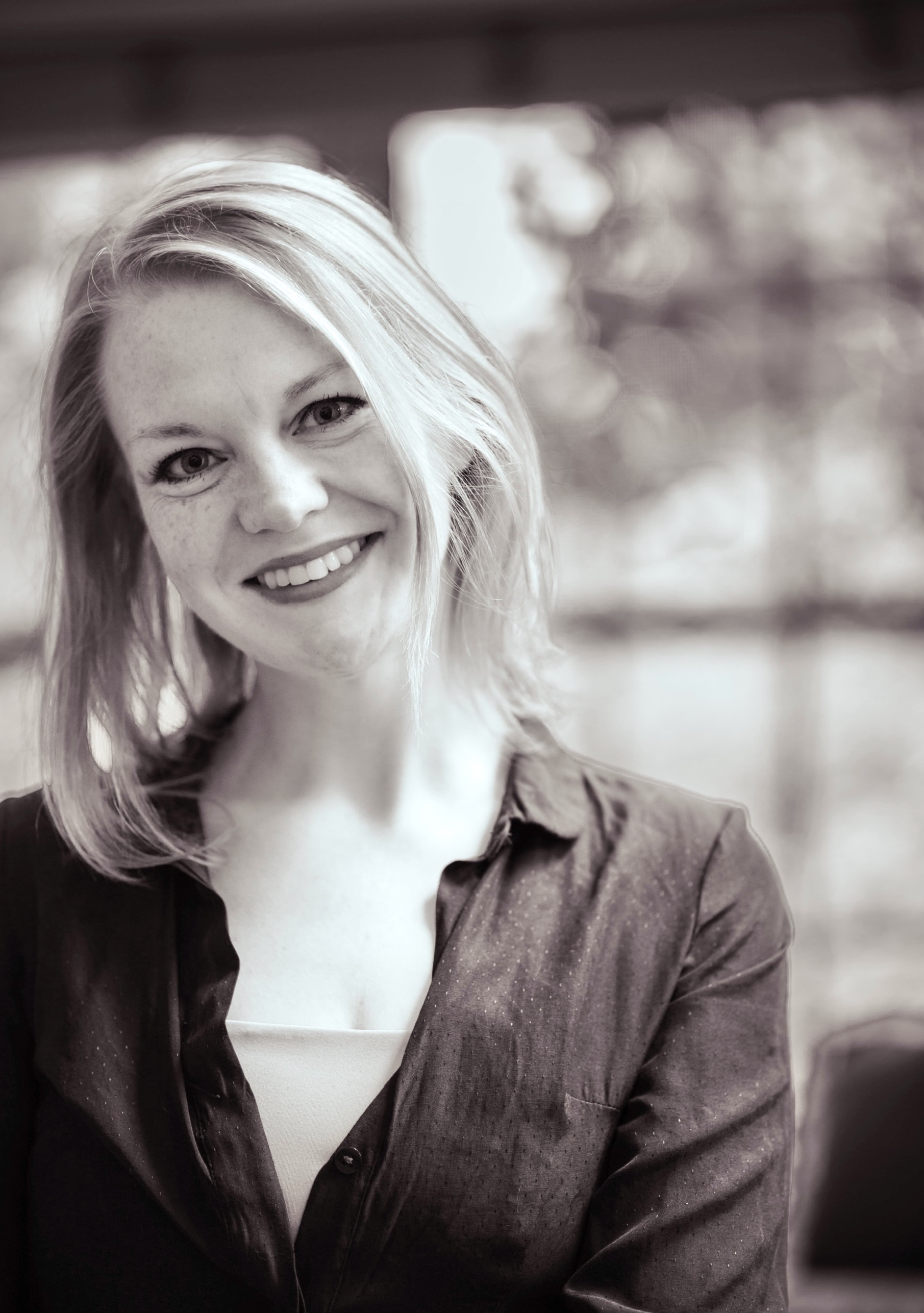
Sharla Cook, MA, LMFT-A, CCTP-I, is a narrative therapist whose work is rooted in the belief that people are never separate from the systems, histories, relationships, and stories that shape them.
She works with individuals, couples, and families navigating grief, chronic illness, family complexity, trauma, and questions of identity and belonging.
Her approach is collaborative, compassionate, and deeply curious. Creating space to understand how your story came to be and what new chapters are still possible.
As AI becomes more present in healthcare, mental health, education, crisis response, and human services, technical accuracy alone is not enough.
These systems also need clinical judgment, ethical sensitivity, and a deeper understanding of how people behave under stress.
Narrative therapy trains sensitivity to language -- to what it implies and what it omits. LLMs are language systems. That attentiveness applies directly to where AI communication quietly fails.
The gap between how AI describes emotional complexity and how it actually presents is not theoretical. It shows up in active clinical sessions, weekly.
The clinical population includes significant proportions of people with chronic illness, disability, and trauma -- groups routinely misrepresented in AI-generated content.
Crisis response systems. Behavioral health AI. High-stakes communication design. Governance frameworks for AI in human services.
AI systems increasingly shape decisions that affect real people. Effective governance requires attention to bias, transparency, accountability, and the human consequences of automated decision-making.
Years of studio art practice developed comfort with ambiguity, experimentation, and iterative design. These skills support innovative thinking when standard approaches fail to address complex human problems.